Blacknuss Network: A Platform for Independent Black Media
Four decades of work in Black cinema, publishing, and cultural programming

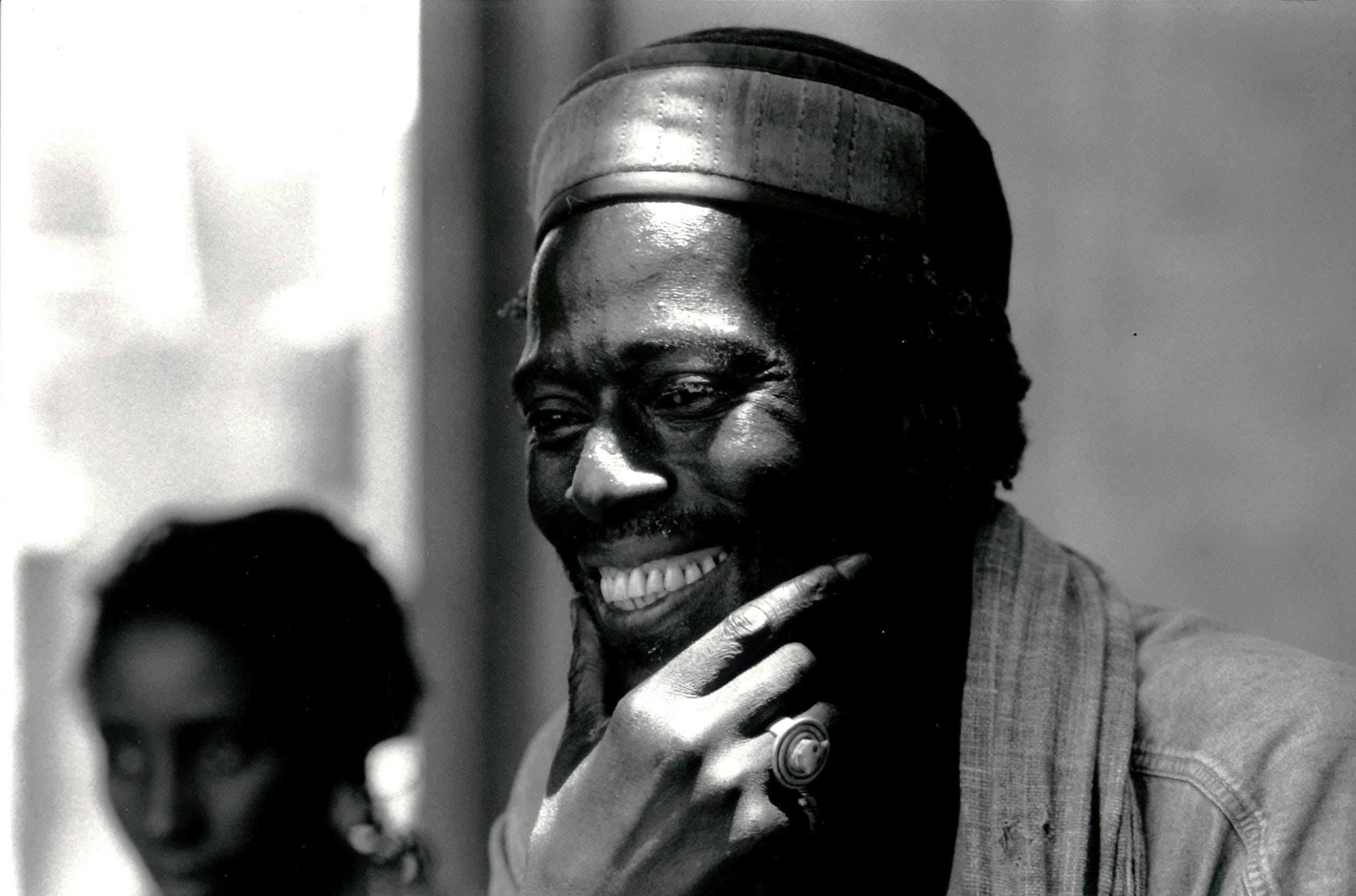
BlacknussNetwork.com is an independent media platform built on more than four decades of work in Black cinema, publishing, and cultural programming. Founded by Chicago filmmaker and curator Floyd Webb, the network grows out of a long tradition of independent media-making that began with grassroots film exhibition and has evolved into a digital platform for global storytelling.
Blacknuss Network’s Substack brings together filmmakers, scholars, and cultural entrepreneurs in an ongoing conversation about cinema, technology, and the future of independent media.
The story begins in 1982 with the founding of the Blacklight Film Festival in Chicago, one of the early platforms dedicated to showcasing independent Black filmmakers outside the commercial studio system. At a time when distribution opportunities for Black filmmakers were extremely limited, the festival created a space where emerging voices could be seen, discussed, and connected to audiences.
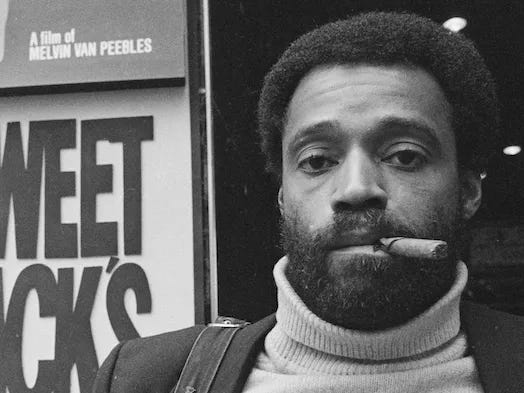
In the late 1980s that work expanded internationally. Webb co-founded Black Filmmaker Magazine (BFM) in London with filmmaker Menelik Shabazz, creating one of the first publications dedicated to covering Black film production, criticism, and global cinema from an independent perspective. The publication helped connect filmmakers across Africa, Europe, the Caribbean, and North America, and later led to the creation of the BFM Film Festival in London, further strengthening the international network of Black film culture.
Returning to Chicago, Webb continued building exhibition platforms for Black and global cinema. For more than 15 years he programmed the Black World Cinema series, working with theaters such as ICE Theaters in Chatham and later Studio Movie Grill, presenting films from Africa, the Caribbean, Europe, and the African diaspora to audiences on Chicago’s South Side. These screenings demonstrated the demand for international Black cinema outside traditional arthouse venues and reinforced the importance of community-based exhibition.
As digital technology began reshaping distribution, Webb turned toward online platforms. In 2017 he launched BWC.tv (Black World Cinema TV) as an experimental streaming platform dedicated to independent global Black cinema. That project eventually evolved into Blacknuss.tv, and ultimately into Blacknuss Network, a broader ecosystem designed to support filmmakers, critics, and cultural producers.
Today Blacknuss Network functions as an independent alternative media platform that brings together streaming, publishing, and cultural programming under one umbrella. The goal is not only to distribute films but also to foster new conversations about cinema, technology, culture, and the future of storytelling.
At a moment when media consolidation has concentrated control of distribution in a small number of corporate platforms, the need for independent media infrastructure has become increasingly urgent. Blacknuss Network seeks to provide a space where filmmakers and thinkers can experiment with new forms of storytelling, engage audiences directly, and explore emerging technologies without the constraints of traditional gatekeepers.
The platform’s mission is simple but ambitious:
to create an independent cultural network that supports bold ideas, connects global Black voices, and helps shape the future of media in an era of rapid technological and political change.
Why This, Why Now
We are living through a profound transformation in media. Over the last decade, the consolidation of film studios, streaming platforms, and news organizations has dramatically narrowed the range of voices that reach global audiences. A handful of corporations now control not only distribution but increasingly the cultural narratives that circulate through the world.
At the same time, digital tools have made it technically easier than ever to create films, publish writing, and build new networks of collaboration. The contradiction is clear: while creative production has expanded, meaningful access to audiences has often become more restricted.
This is the moment in which independent media becomes essential rather than optional.
Blacknuss Network was created to respond to that reality. It is designed as a space where filmmakers, writers, and cultural thinkers can present work that might not fit the commercial algorithms of major platforms, while also exploring new forms of storytelling made possible by emerging technologies.
But the mission is not simply technological. It is cultural.
Throughout history, independent media has played a crucial role in shaping public conversation—from the underground press of the civil rights era to the early independent film movements that helped redefine global cinema. In times of political uncertainty and social change, these alternative platforms become laboratories for new ideas and new ways of seeing the world.
Blacknuss Network builds on that tradition while looking forward. It aims to connect filmmakers across continents, encourage experimentation with digital storytelling, and create a cultural space where conversation, creativity, and critical thought can flourish outside the constraints of corporate media systems.
In troubled times, independent media is not merely a supplement to mainstream institutions.
It is often where the future begins.
What kind of community are we looking to build here
1. Independent Filmmakers and Media Creators
These are filmmakers, documentarians, photographers, and digital storytellers trying to navigate a rapidly changing media landscape. Many of them are looking for alternatives to the traditional gatekeeping systems of festivals, studios, and major streaming platforms.
What draws them to your Substack is your experience building real exhibition spaces—from the Blacklight Film Festival to Black World Cinema screenings and now Blacknuss.tv. They see the platform as a place where conversations about distribution, audience-building, and creative autonomy can happen openly.
For them, the community is a practical resource: a place to learn how independent media can survive and evolve.
2. Cultural Thinkers and Intellectual Readers
Another important group consists of readers who are interested in history, politics, and cultural analysis. These are scholars, journalists, critics, and serious readers who want deeper context about the intersections of race, culture, media, and global history.
Your essays—especially the ones that move between Chicago, international cinema, and larger political questions—appeal to people who are looking for writing that refuses to flatten complex subjects into quick takes.
For them, your Substack becomes a place for slow thinking in a fast media environment.
3. Cultural Organizers and Community Builders
This group includes people working in cultural institutions, community arts organizations, micro-cinemas, museums, and independent festivals.
They recognize something in the infrastructure you’ve spent decades building: festivals, magazines, screenings, streaming platforms, and now digital writing communities. They are interested in how independent cultural ecosystems are created and sustained.
These readers are often thinking about how to build platforms of their own, and your work offers a living example of what that kind of cultural infrastructure looks like.
4. Emerging Media Builders and Younger Creators
The final group is younger—filmmakers, writers, technologists, and cultural entrepreneurs who are trying to figure out what media will look like in the next twenty years.
They are interested in the intersection of storytelling and technology: streaming platforms, new distribution models, AI tools, and global digital networks. What attracts them is not just the history behind Blacknuss Network, but its willingness to experiment with new ideas and tools.
For them, the community functions almost like a laboratory for future media.
The Overlap
What makes the Blacknuss community unusual is that these four groups intersect. Filmmakers read the political essays. Scholars pay attention to distribution models. Younger creators learn from historical context.
The result is not just an audience but a network of people thinking together about the future of culture and media.
And that is precisely what independent media communities have historically done at their most powerful moments.